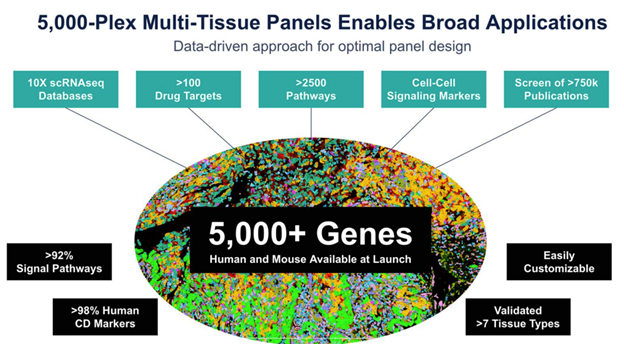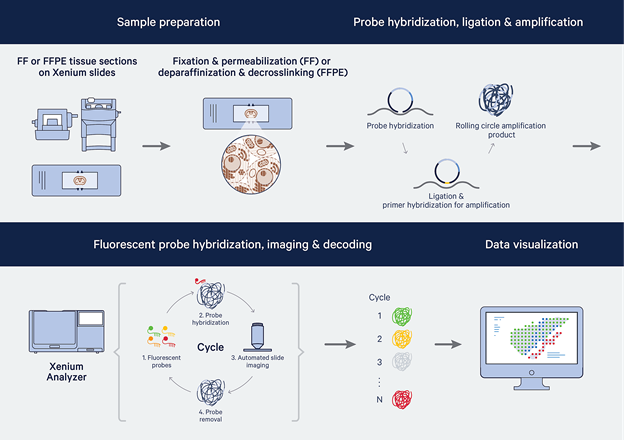
Spatially transcriptomics is crucial for understanding how cell location influences gene expression, development, and disease. This field has evolved from early techniques like radioactive in situ hybridization to advanced methods such as sequencing-based Visium Spatial and imaging-based Xenium In Situ. These technologies allow researchers to analyze gene expression within the natural cellular context, revealing new biological insights across various fields, including developmental biology, cancer, and neuroscience. Choosing the right method depends on research goals, with sequencing-based methods suited for hypothesis generation and imaging-based methods for detailed hypothesis testing and specific target analysis.